Know more
Error is inevitable, accidents are not
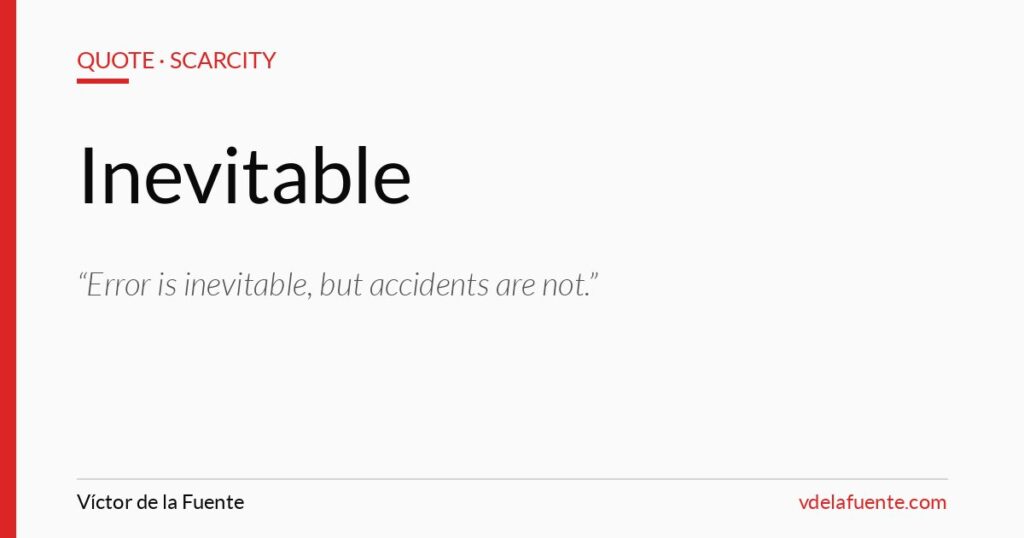
Scarcity offers a precise distinction. Error is inevitable, but accidents are not. Humans make mistakes constantly. We misread, forget and miscalculate. However, a mistake only becomes an accident when nothing stops it from causing harm. That gap is where good systems live.
Aviation and medicine have learned this lesson well. Checklists, double confirmations and clear communication catch errors before they spread. Atul Gawande’s work on surgical checklists, for instance, showed significant reductions in complications. The surgeons did not become perfect. Instead, the system became more forgiving.
Designing for errors that are bound to happen
The same thinking helps in business and daily life. Assume people will make mistakes, then design safeguards. Automatic backups protect against deleted files. A second review catches typos in contracts. For example, a simple rule of waiting before sending large payments can prevent costly errors.
Scarcity makes this even more important. When time or money is tight, people err more often, because attention is stretched. Therefore, safety margins matter most precisely when resources are limited. A small buffer can prevent a small slip from becoming a disaster.
Culture plays a role too. Teams that punish mistakes encourage hiding them. On the other hand, teams that discuss errors openly learn quickly. Moreover, people in those teams feel safer reporting near misses before they turn serious.
In the end, accepting human error is not giving up on quality. It is the starting point for real reliability. Mistakes will happen. Accidents, however, are often a design choice we can avoid.
In addition, near misses deserve attention. Many serious accidents are preceded by smaller incidents that nobody reported. Therefore, organisations that encourage people to share near misses gain valuable warnings. For example, a simple, blame-free form for reporting close calls can reveal weak points long before they cause real harm.