“You need to unplug” assumes the default is plugged.
Know more
Why we need to disconnect from the default
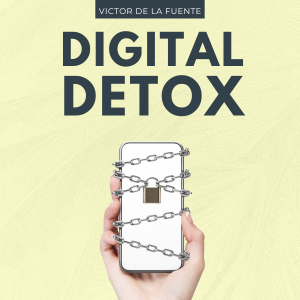
You need to unplug assumes the default is plugged. The observation is sharp. Advice about digital detox treats disconnection as a special event, like a holiday. Meanwhile, constant connection becomes the normal state. Perhaps the real question is why being online all the time became the starting point.
Smartphones arrived only recently in human history. Yet for many people, they now fill every gap in the day. Studies suggest that the average person checks their phone dozens of times daily. As a result, attention is fragmented, and moments of boredom or reflection have almost disappeared.
Making it easier to disconnect
Instead of rare detox weekends, try changing the default. Keep the phone outside the bedroom. Turn off non-essential notifications. Set specific times for checking email. For example, many people find that a phone-free first hour in the morning improves focus for the whole day.
Design your environment to support offline time. Put books where you usually scroll. Plan activities that naturally keep devices away, such as sports, cooking or meeting friends. Therefore, disconnection becomes a natural part of life rather than a struggle.
Technology is not the enemy, of course. It connects us, informs us and helps us work. However, the healthiest relationship with it is intentional. We choose when to engage, rather than responding to every buzz.
In the end, being offline should not feel like an exception. By making it part of daily rhythm, we reclaim attention, presence and rest. The plug becomes a tool again, not a leash.
In addition, notice how you feel after different online activities. Some leave you informed and connected, while others leave you anxious or drained. Therefore, keep the first kind and reduce the second. As a result, your screen time becomes more valuable, even if the total number of hours stays similar for a while.
Keep reading
Read more about digital detox on Wikipedia.