Specialization tends to limit the field of problems that the specialist is concerned with. http://amzn.to/1WqrVVC
Joseph Campbell Book: The power of myth
Know more
The hidden cost of specialization
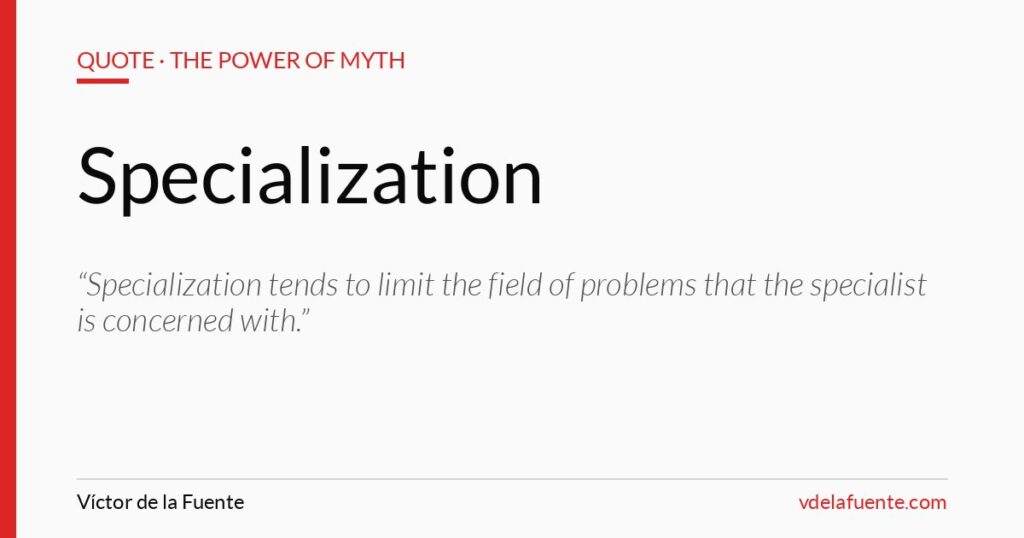
Joseph Campbell noticed a trade-off that every expert faces. Specialization tends to limit the field of problems that the specialist is concerned with. In other words, the deeper you go, the narrower your view can become. It is not a criticism of experts. Rather, it is a warning about a natural side effect of focus.
Modern work rewards deep skills. A specialist in paid search or tax law can solve problems others cannot even see. However, real challenges rarely respect job titles. A drop in sales may involve pricing, logistics, design and customer service at once. If each expert looks only at their slice, the whole picture gets lost.
Balancing specialization with curiosity
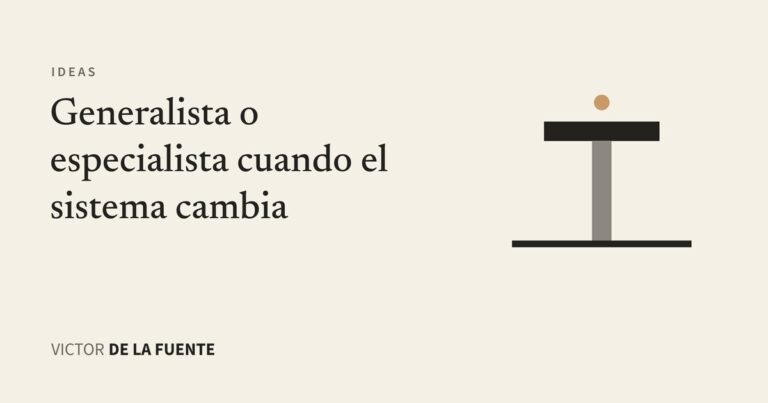
One popular answer is the T-shaped profile. You keep one deep area of expertise, the vertical line of the T. Then you add a broad, practical understanding of nearby fields, the horizontal line. This mix lets you go deep without becoming blind to the context around your work.
In practice, that might mean spending a few hours a month outside your field. Sit in on a sales call if you work in product. Read about operations if you work in marketing. For example, a web analyst who understands warehouse limits will make better recommendations. Small exposures like these add up quickly.
Specialization is still valuable, and often essential. The goal is not to abandon it. Instead, keep a window open. Ask regularly which problems you might be ignoring simply because they are not in your job description. Those blind spots are often where the biggest opportunities hide.
In short, depth and breadth are not enemies. Together, they make an expert both precise and wise.